
Tiwaystle: The Evolution of Men's Fashion: From Ruffs to Run
Introduction (150 words):
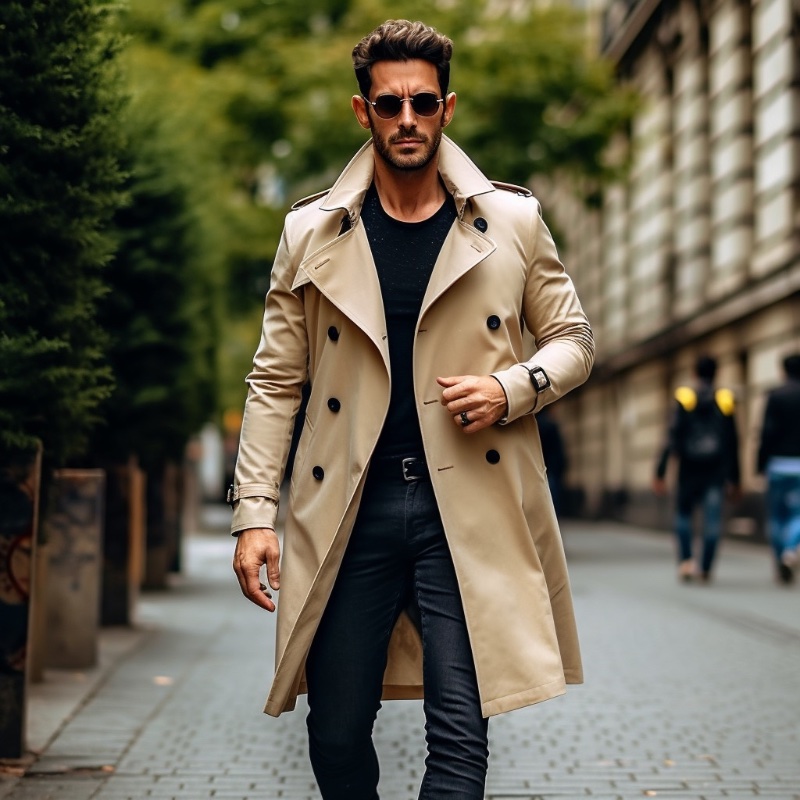
Men's fashion has come a long way, evolving through centuries of cultural shifts, economic changes, and artistic movements. This 1500-word exploration delves into the fascinating journey of men's fashion, tracing its development from the extravagant garments of the Renaissance era to the contemporary runways of today. Understanding the historical context and societal influences behind these changes sheds light on how men's fashion has evolved into the diverse and dynamic landscape it is today.
I. The Renaissance and Early Modern Era (150 w:
ords)
The early modern era, spanning from the 14th to the 17th century, witnessed the birth of distinct men's fashion trends. During the Renaissance, men flaunted ornate clothing, characterized by voluminous garments, elaborate ruffs, and rich fabrics. This period emphasized lavishness and opulence, with clothing symbolizing wealth and social status. However, as the Renaissance gave way to the Enlightenment, fashion took a more practical turn, reflecting the era's emphasis on reason and utility. Waistcoats, knee breeches, and powdered wigs became the quintessential male attire, reflecting the changing ideals of the time.
II. The 19th Century: Dandyism and Victorian Elegan
ce (250 words):
The 19th century brought about significant shifts in men's fashion. The dandyism movement, championed by figures like Beau Brummell, celebrated exquisite tailoring, subtle color palettes, and impeccable grooming. This era marked a departure from excessive ornamentation, emphasizing the notion that a well-dressed man should never appear to have tried too hard.
Meanwhile, the Victorian era saw the rise of the three-piece suit, which remains an enduring symbol of men's fashion today. Tailcoats, top hats, and cravats became essential elements of a gentleman's wardrobe. Queen Victoria's influence also popularized darker, more somber colors in men's attire. This period's fashion was characterized by a blend of elegance and restraint, emphasizing modesty and propriety.
III. The Roaring Twenties and the Birth of Casualwear (250 words):
The 1920s witnessed a seismic shift in men's fashion. The aftermath of World War I and the spirit of rebellion against Victorian values gave rise to the "Roaring Twenties." This era saw the emergence of the "flapper" look for women and a more relaxed, casual style for men. Suits were still prevalent, but they featured looser cuts and softer materials, reflecting a newfound sense of freedom and relaxation.
The popularity of sports and leisure activities further influenced men's fashion. Sportswear like polo shirts and knitted sweaters became fashionable, marking the beginning of casualwear. This era also popularized the iconic tuxedo, a staple for formal events.
IV. Mid-20th Century: The Influence of Subcultures (250 words):
The mid-20th century brought a wave of subcultures that profoundly impacted men's fashion. The rebellious style of the Beatniks and the emergence of the Teddy Boys in the 1950s challenged traditional norms. The Teddy Boys introduced elements like narrow trousers, long jackets, and boldly patterned shirts.
In the 1960s, the mod subculture promoted sharp tailoring, slim-fitting suits, and bold, vibrant colors. The hippie movement, on the other hand, embraced a countercultural aesthetic characterized by flowy garments, tie-dye, and unconventional clothing choices.
The punk movement of the 1970s took rebellion to a new extreme with its DIY ethos and punk rock-inspired fashion. Leather jackets, torn jeans, and edgy accessories became emblematic of this subculture.
V. Contemporary Men's Fashion (250 words):
The late 20th and early 21st centuries have seen men's fashion diversify and become more inclusive. The rise of streetwear, popularized by brands like Supreme and Off-White, blurred the lines between high fashion and everyday attire. Sneakers, hoodies, and graphic tees became high-demand items.
Simultaneously, the fashion industry began challenging traditional notions of masculinity. Gender-neutral and androgynous fashion became more prominent, emphasizing individual expression over strict gender norms. Designers like J.W. Anderson and Gucci's Alessandro Michele have played a pivotal role in this shift.
Conclusion (150 words):
The evolution of men's fashion reflects the dynamic nature of society, culture, and personal expression. From the opulent attire of the Renaissance to the rebellious subcultures of the mid-20th century and the contemporary fusion of high fashion and streetwear, men's fashion has continually adapted to the changing times. It is a testament to the ever-evolving nature of style and identity, where what we wear is not merely clothing but a statement of who we are and the world we inhabit. As we move forward, men's fashion is likely to continue pushing boundaries, challenging norms, and offering individuals an ever-expanding canvas for self-expression.


0 Comments